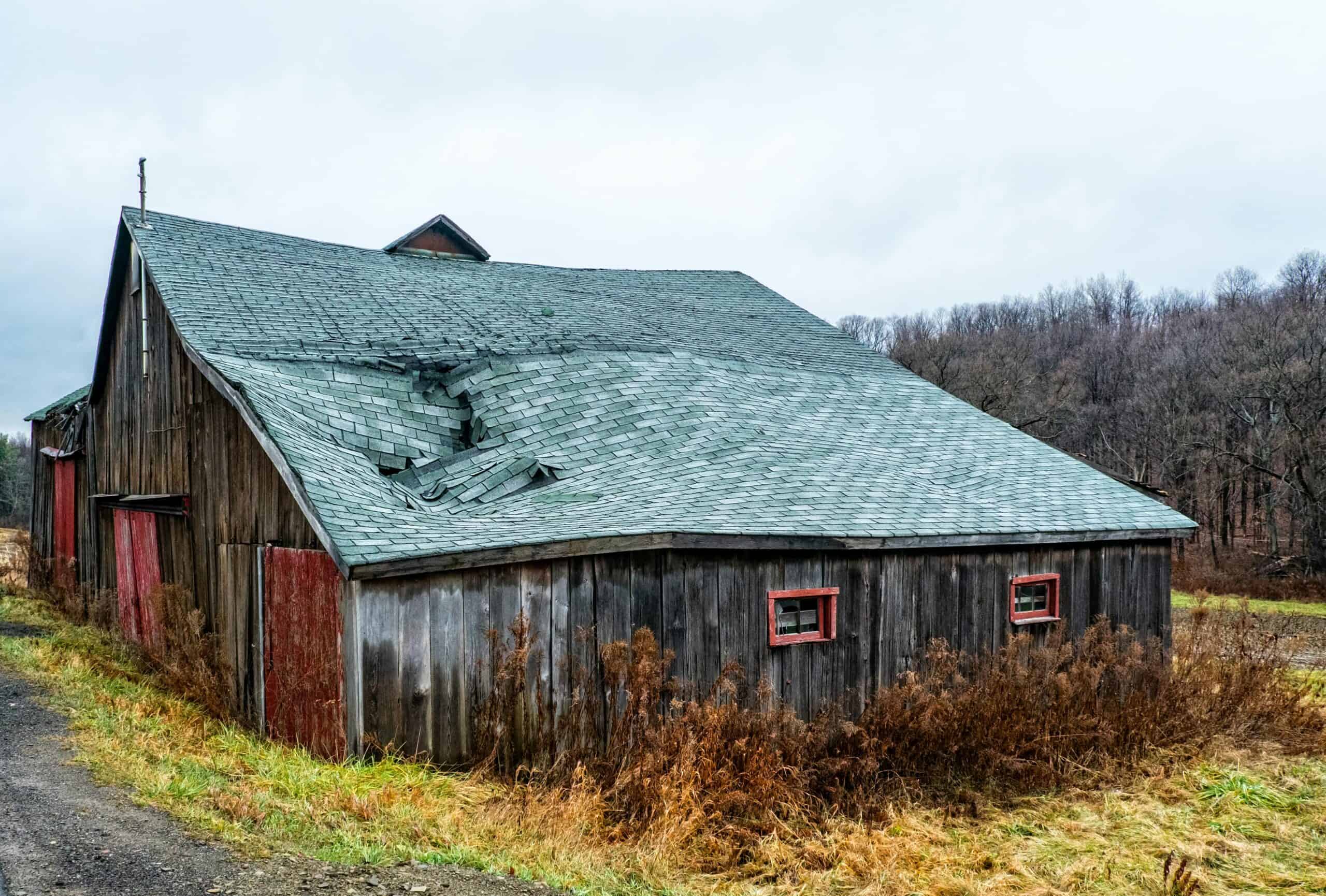
A pole barn can handle a lot over the years, but constant exposure to moisture is one thing that slowly wears even the strongest structure down. Water doesn’t always show up as a dramatic flood or a major roof leak. Sometimes it starts with water pooling near the slab after a heavy rain or condensation forming inside the building during humid weather. Left alone long enough, those small issues can lead to mold, mildew, rot, rust, and expensive structural repairs.
That’s why protecting a pole building from moisture starts long before construction crews pour the concrete slab. Site grading, proper drainage, vapor barrier installation, roofing materials, and ventilation all work together to keep the water under control. Whether the barn is used for storage, machinery, livestock, or workshop space, smart planning makes a noticeable difference in long-term durability.
If you want a barn that stays dry and performs well for decades, here’s what matters most.
Choose the Right Building Site From the Start
One of the biggest mistakes people make with a pole barn happens before construction even begins. If the site isn’t properly graded, water has nowhere to go.
Building on high ground is usually the safest option because it lowers the chance of flood conditions during extended storms. A barn placed in a low area can quickly become saturated with water after heavy rain, especially if the surrounding soil drains slowly.
The ground should slope away from the building so rainwater naturally moves away from the foundation instead of collecting around the perimeter. In most cases, contractors recommend at least six inches of slope over the first 10 feet surrounding the structure.
That grading process matters more than many property owners realize. Improperly compacted dirt or poorly prepared soil can allow moisture to seep beneath the slab over time. Once that happens, you may start seeing cracks, shifting concrete, or persistent damp spots inside the building.
Some builders also install a swale or shallow trench to direct runoff away from the footprint of the barn. These features help prevent erosion and reduce water infiltration during periods of steady rain.
Adding coarse gravel beneath and around the slab improves proper drainage even more. Gravel creates a stable surface while helping moisture move through the ground away from the building instead of lingering around the posts or building foundation
Install Gutters and Drainage Systems That Actually Work
A solid roof helps protect a pole barn, but without a good gutter system, all that rainwater still ends up right next to the structure.
When gutters and downspouts aren’t properly installed, water pours directly off the roof and into the surrounding soil. Over time, that constant runoff can weaken the slab edge, wash out gravel, and create water pooling around support posts.
A reliable drainage setup should move water away from the foundation as efficiently as possible. Downspouts should ideally discharge at least 10 feet from the perimeter to help keep the water from soaking the surrounding ground.
In some cases, especially on larger properties, a full drain system makes sense. A drain pipe connected to corrugated underground channels or French drains can redirect excess runoff during heavy rain.
This is especially important in areas with a high water table or properties that already struggle with standing water. Without proper drainage, moisture can saturate the soil around the barn and eventually create foundational movement.
Gutters also help protect siding from repeated splashback. Constant exposure to rainwater can eventually create a leak, damage paint or protective coatings, and encourage mildew growth.
Protect the Slab With Gravel and a Vapor Barrier
The slab underneath a pole barn does more than provide a level surface. It acts as the structural base for the entire building.
Still, concrete alone isn’t enough to stop moisture problems. Water vapor naturally moves upward through concrete, especially during humid conditions. Without a vapor barrier beneath the slab, moisture can slowly build up inside the building and create condensation issues.
That’s why many experienced builders install a vapor barrier before they pour the slab. This barrier helps block ground moisture and protects flooring materials, tools, and storage items from long-term damage.
A compacted gravel base underneath the concrete also helps improve drainage and reduce frost movement beneath the slab. That extra stability can extend the life of the surface while reducing cracks and uneven settling.
Applying a seal coating after the slab cures is another smart step. A good way to seal concrete helps reduce surface moisture absorption and protects against wear caused by seasonal weather changes.
For barns used to store machinery or vehicles, sealed concrete floors are also much easier to clean and maintain.
Keep the Roof and Siding in Good Shape
Even a small roof problem can turn into major water damage if it goes unnoticed.
Routine inspections help catch issues early before moisture has a chance to spread through insulation, framing, or OSB sheathing. Loose fasteners, damaged flashing, and worn roof panels should all be repaired quickly.
Metal roofing panels should sit flush and remain tightly secured. If there’s a gap around seams or fasteners, rain can work its way underneath the surface and create hidden moisture problems.
Quality siding also plays a big role in protecting the barn from the elements. Steel siding with protective finishes holds up well against rain while reducing long-term maintenance.
Ventilation matters too. A humid building with poor airflow often develops condensation along the roof and wall surfaces. Over time, trapped moisture can lead to rust, mildew, or wood rot.
To reduce those risks, many owners insulate the structure using fiberglass systems or spray foam insulation. Spray foam works especially well because it helps seal small openings while improving energy efficiency.
Watch the Perimeter Around the Barn
A lot of moisture problems start just outside the building. If the surrounding landscape allows water to collect near the perimeter, the foundation area stays wet far too long after storms. That constant exposure can weaken the soil and increase the risk of settlement.
Keeping gravel around the barn helps reduce splashback and improves drainage around entrances. It also cuts down on mud buildup and helps direct water away from the structure.
Property owners should check the perimeter regularly for low spots, shifting gravel, or signs of erosion. It doesn’t take much for a small drainage issue to become a larger problem during a season of heavy rain.
In some cases, regrading the area or extending drainage routes farther away from the building can solve recurring moisture concerns.
If a property is especially prone to flood conditions, raising the slab high enough above surrounding grade levels adds another layer of protection.
Reduce Moisture and Condensation Inside the Building
Not every moisture issue comes from outside. Condensation is a common problem in many pole barn structures, particularly during seasonal temperature swings. Warm air hitting cooler metal surfaces creates moisture droplets that can slowly damage framing, tools, and stored equipment.
Without enough airflow, condensation may linger inside the building for long periods. That can eventually lead to mold, mildew, and unpleasant odors.
Proper insulation helps control interior temperature changes while reducing condensation buildup. Some owners choose frame wrap systems, which can double as a vapor barrier as well as an insulator, while others prefer spray foam because it can insulate and seal hard-to-reach areas at the same time.
Ventilation systems should move air consistently throughout the barn. Ridge vents, soffit vents, and circulation fans all help remove trapped moisture before it becomes a hazard.
It’s also worth checking interior walls and ceilings every so often for signs of moisture staining or hidden leak problems. Catching those issues early usually prevents more expensive repairs later.
Work With a Builder Who Understands Water Protection
A well-built pole barn isn’t just about appearance. The real value comes from how the structure performs year after year.
That’s where experienced construction teams make a difference. Wolf Barns & Supply has been building custom post-frame structures for more than 40 years across Oklahoma, Texas, Missouri, Kansas, and Arkansas. Their team designs everything from horse barns and garages to commercial facilities, workshops, and barndominium shells.
The company focuses on durable materials, structural reliability, and weather-resistant construction methods that help buildings hold up against moisture and changing climate conditions. From slab preparation and grading to roofing systems and siding installation, their approach is built around long-term durability.
Because Wolf Barns & Supply offers custom design services, clients can create a barn tailored to their property conditions, storage needs, and drainage concerns from the very beginning.
Protect Your Pole Barn Before Moisture Becomes a Problem
Keeping water out of a pole barn takes more than a quick fix after a storm. Proper drainage, smart grading, quality roofing, and moisture control all work together to protect the structure for the long haul.
The good news is that most water-related problems are preventable when the building is designed correctly from the start.
If you’re planning a new pole building or want to improve an existing barn, working with an experienced contractor can help you avoid costly repairs later on.
Wolf Barns & Supply builds custom barns designed for durability, functionality, and long-term protection against moisture issues. Their team serves property owners throughout Oklahoma, Texas, Missouri, Kansas, and Arkansas with expert craftsmanship and personalized service.
To learn more or request a quote, visit www.wolfbarns.com or call (800) 519-9653.